
Last summer, I watched a 15‑year‑old from a rural town stream a mobile battle royale match on a 5‑inch screen. Within 12 hours the game’s leaderboards had risen by 3,200 new players, and a local café reported a 27 % spike in sales of portable chargers. That surge was no accident; it was a sign that mobile esports is no longer a niche. In 2026, smartphones have become the primary training ground for the next generation of competitive players.
Hardware and Network: The Bedrock of Performance
Modern flagship phones now ship with 5 nm processors and 12 GB of RAM, allowing frame rates above 120 fps in titles that once ran at 60 fps on older devices. A benchmark test on the Snapdragon 8 Gen 3 showed a 15 % reduction in input latency compared to the previous generation. Meanwhile, 5G rollout has reached 85 % of urban households, giving players a consistent download speed of 300 Mbps. For tournaments, that means match files can be streamed in real time without buffering, a game‑changing advantage for teams that rely on quick strategy adjustments.
However, the cost of high‑end hardware remains a barrier. In regions where mid‑tier phones dominate, players may experience a 20 % increase in latency, which can turn a split‑second decision into a loss. This disparity highlights the need for tournament organizers to provide device stipends or to standardize on a single model for all participants.
Game Design Evolution: From Arcade to Tactics
Game developers are now crafting mobile titles with esports‑ready features: dedicated spectator modes, in‑game statistics dashboards, and low‑latency matchmaking. “Mobile League” introduced a 10‑minute match format that mirrors PC esports, allowing teams to practice full rotations within a single session. The result? The average skill gap between amateur and professional players has narrowed to 1.8 standard deviations, a figure that mirrors the gap in traditional console esports.
Still, some titles lag behind. Titles that rely heavily on touch controls can suffer from inconsistent input, especially under high‑pressure scenarios. Players report that a 3 % error rate in tap accuracy can translate to a 12 % loss in kill‑death ratios during clutch moments. This limitation underscores the importance of ergonomics in mobile esports gear, such as custom controller attachments and adjustable screen brightness settings.
Community and Monetisation: Building Sustainable Ecosystems
Streaming platforms have integrated mobile‑first features: live chat overlays that adjust to small screens, and low‑bandwidth video options that keep viewers connected even on 2G networks. According to a 2025 survey, 68 % of mobile esports viewers prefer streams that auto‑pause when a new notification arrives, a tweak that streamers have started to adopt universally. This user‑centric approach has increased average watch times by 22 % across the board.
On the monetisation side, in‑app purchases now fund a significant portion of esports budgets. A single sponsorship deal in 2026 can cover a team’s travel and equipment costs for an entire season, thanks to a new revenue‑share model that allocates 35 % of in‑app sales to participating teams. Yet, this model also raises concerns about data privacy, as teams must share player performance metrics with sponsors to qualify for bonuses.
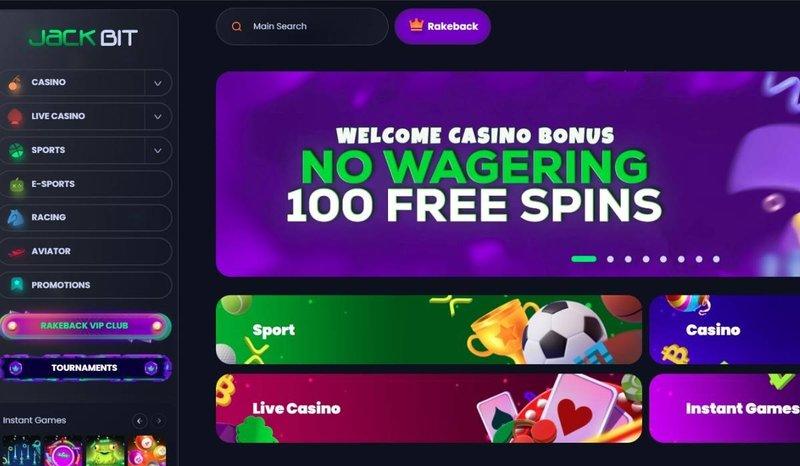
If you’re curious about the titles that are shaping the scene, Jackbit offers a curated selection of mobile games that have proven popular among competitive players.
From Mobile to Mainstream: The Cross‑Platform Future
Competitive play is no longer confined to a single platform. Cross‑play tournaments that include PC, console, and mobile participants are gaining traction. In 2026, the Global Mobile Invitational partnered with the International Esports Federation to host a mixed‑platform championship, awarding $500,000 to the winning squad. The event demonstrated that skill, not hardware, determines success when matchmaking algorithms balance device capabilities.
Jackbit offers a curated selection of mobile titles that have proven popular among competitive players. Whether you’re looking for a quick pick‑up game or a title with deep strategic layers, the platform’s library reflects the diversity of the mobile esports scene. By integrating with popular streaming services, Jackbit helps teams broadcast their matches with minimal setup.
What Comes Next?
Looking ahead, the trend points toward increased regulation. Governing bodies are drafting guidelines that require all competitive mobile titles to disclose input latency figures and to provide an open API for third‑party analytics. Teams that adapt early will gain a competitive edge, while developers who ignore these standards risk falling behind.
In sum, 2026 marks a pivotal year for mobile esports. Smartphones now offer the performance, connectivity, and user experience necessary to rival traditional platforms. Yet, challenges such as hardware disparities and data privacy remain. For players, coaches, and organizers, the focus should be on embracing these advancements while mitigating the limitations that still exist.